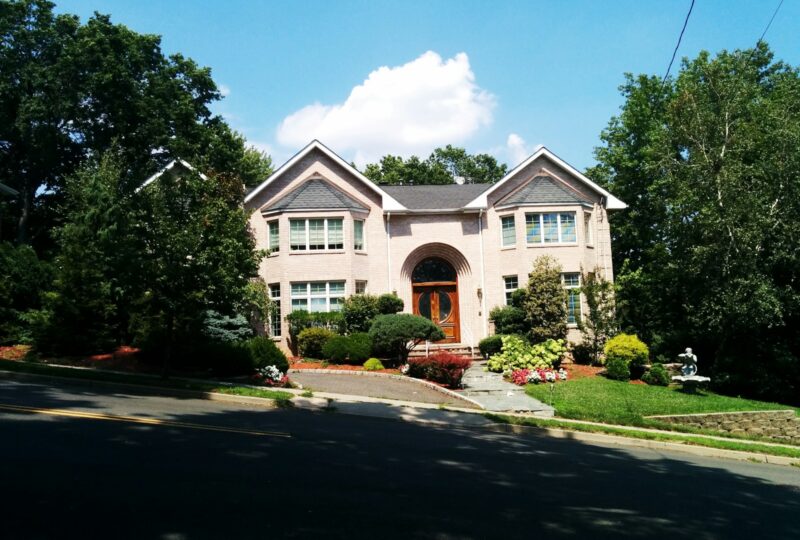

Kyler Murray sold his Arizona estate for $13.75 million. That sounds like a financial win until you look at what he paid.
The Minnesota Vikings quarterback purchased the Paradise Valley property for $13.5 million in November 2022. His September 24 sale produced a $250,000 increase, or approximately 1.9%, before transaction expenses, improvements and ownership costs.
The deal is real, according to reporting by Arizona Sports and the Phoenix Business Journal. But calling that difference a profit would go further than the available facts allow.
For real estate readers, the useful story extends beyond a celebrity changing addresses. Luxury property can command an enormous closing price without delivering an enormous return.
The approximately 8,200 square foot residence has four bedrooms and five and a half bathrooms. Built in 2019, it sits within the gated Cameldale Estates community.
Arizona Sports, citing the Phoenix Business Journal, reported that the buyers paid cash and that the transaction occurred outside the public listing market. The sale followed Murray’s move from the Arizona Cardinals to Minnesota earlier this year.
Those details matter for interpreting the transaction.
A cash purchase eliminates the buyer’s need to secure a mortgage for that closing. It does not prove the buyer ignored value, skipped inspections or accepted any price the seller requested.
Likewise, a private sale does not establish whether broader marketing would have produced a better result. Without competing offers, contract terms and expense records, outsiders cannot calculate the seller’s full outcome.
Meanwhile, another luxury housing headline shows just how high the entry point has climbed in one California enclave.
Atherton’s 94027 ranked first in PropertyShark’s latest study of America’s most expensive ZIP codes, with a median sale price of $10.725 million. The October 13 report put its annual increase at approximately 29%.
That figure measures completed transactions rather than asking prices. It also places Atherton’s median only about $3 million below the price paid for Murray’s estate.
The comparison illustrates scale, not equivalence. An Arizona mansion and a California ZIP code median describe different properties and different markets.
PropertyShark analyzed residential closings from January through September 2026. Its ranking excludes states where sale prices are not publicly disclosed and requires at least five qualifying transactions per ZIP code.
Those limits deserve attention whenever a ranking declares somewhere America’s most expensive address.
A rising median also does not mean every homeowner gained the same percentage. The mix of properties sold can change, especially in small markets where a handful of exceptional transactions shifts the midpoint.
For someone considering Atherton, $10.725 million is a market benchmark, not a required admission fee. Some homes sell below the median and others above it.
Nor is that purchase price the full cost of living there.
Buyers still need property specific estimates for taxes, insurance, maintenance, utilities and any financing. Large estates can also require landscaping, security and specialized repairs that do not appear in the sale price.
The same principle applies to Murray’s transaction. A $250,000 increase over nearly four years says little about net proceeds without knowing the expenses incurred along the way.
For agents, these stories offer a useful way to reset conversations with luxury clients. Separate the prestige of the address from the economics of owning it.
Show comparable closed sales. Examine the holding period. Explain the difference between a market’s median change and appreciation in one particular home.
An impressive sale price can coexist with a modest gain, just as a record neighborhood median can coexist with sellers who must negotiate.
Murray’s sale and Atherton’s ranking both demonstrate the scale of luxury housing. Neither gives buyers permission to stop doing the math.
The headline attracts attention. The purchase history and ownership costs explain the investment.