America’s largest homebuilder is placing a bet on robots, factory production and an eight hour framing target.
D.R. Horton has signed a multiyear agreement with Toronto based Promise Robotics to support construction of more than 1,250 homes. It is the first major United States builder to use Promise’s platform.
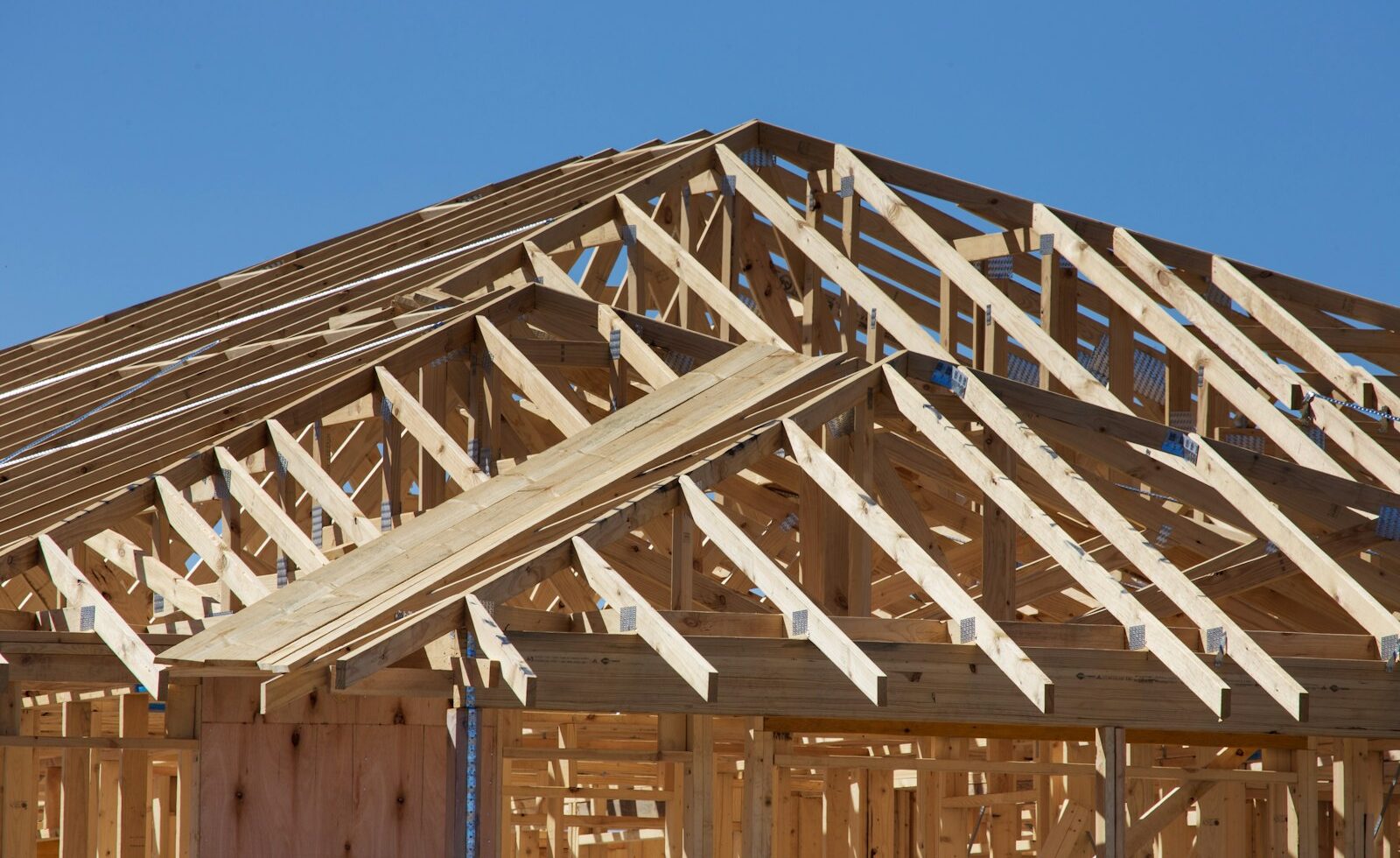
Promise says its system can assemble the structural framing for a typical two story, 1,800 square foot house with a basement in approximately eight hours. More complicated duplex projects can require two to two and a half days.
That does not mean robots will complete an entire house in one shift.
The eight hour estimate covers the framing assembly. Plumbing, electrical systems, roofing, drywall, finishes, inspections and other work still must follow. They have not disclosed how much time the process will remove from D.R. Horton’s complete construction schedule.
Promise begins with a builder’s existing designs and converts them into manufacturing instructions. Robotic systems inside factories produce components including walls, floors and stairs. Trained crews then install those components at the construction site.
This factory service model allows D.R. Horton to use the technology without building and operating its own robotic factories.
That difference reduces the builder’s initial capital exposure and gives Promise an anchor customer as it expands its United States manufacturing network. Promise plans to establish a production facility in Phoenix.
Traditional framing depends on skilled crews working outside, where weather, scheduling conflicts and labor availability can delay progress. Factory production can create more consistent conditions, repeatable measurements and predictable component delivery.
Every day removed from the construction cycle can reduce carrying expenses and move a completed home toward closing faster.
Homebuilders have struggled with shortages of skilled construction workers, and recent immigration enforcement activity has reportedly disrupted crews in some markets. Moving repetitive framing tasks into automated factories could help builders produce more homes with the workers available.
Robotics will not eliminate the need for tradespeople. Components must still be transported, installed, inspected and connected to the remaining construction process. Promise’s system changes where some framing labor occurs and how it is performed.
Neither company disclosed the contract’s value, the cost per house or independently verified savings. Faster production could reduce costs, but the buyer price will still reflect land, materials, financing, permits, insurance, local demand and the builder’s margin.
Factory built housing companies require expensive facilities, reliable volume and enough customers to keep equipment operating. When home sales slow, unused factory capacity can quickly become a financial burden. Earlier construction technology companies have struggled despite promising systems and substantial investment.
The 1,250 home agreement should therefore be viewed as a commercial test at meaningful scale, not proof that robots have solved America’s housing shortage.
Large builders could gain another advantage over smaller companies that cannot guarantee enough production volume to secure favorable manufacturing arrangements. Construction may become faster and more predictable, but the industry could also become more concentrated around companies capable of financing and coordinating automation.
Factory produced framing must satisfy building codes, engineering requirements and inspection standards. Purchasers should still obtain inspections, review warranties and evaluate workmanship as they would with any newly constructed home.
For agents, this could eventually change how new homes are marketed. Shorter construction schedules may produce firmer delivery dates and reduce uncertainty for buyers coordinating loan locks or home sales.
D.R. Horton is not promising a completed home in eight hours.
It is testing whether robots can complete one of homebuilding’s most labor intensive stages in eight hours, repeatedly, across more than 1,250 homes.
If that works, the framing crew of the future may begin its shift inside a factory.